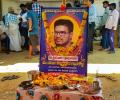
Glimpses of homage to Naveen Shekharappa, the final year medical student who died in Russian shelling in Ukraine's Kharkiv.

Bommai also said that Naveen's body has been embalmed and kept in a mortuary in Ukraine.

The chief minister, who met the bereaved family of the medical student Naveen Ranebennur, handed over a cheque for Rs 25 lakh as compensation and assured his brother of a job.

In an urgent advisory, the India embassy in Ukraine on Wednesday asked all Indians stranded in Kharkiv to leave the conflict zone immediately.

The 21-year-old final year student at Kharkiv National Medical University had died on March one, in the conflict zone, tragically becoming India's first casualty in the ongoing offensive in the eastern European nation.

Naveen Shekarappa Gyanagoudar, a fourth-year medical student at the Kharkiv National Medical University, was killed in intense shelling in Kharkiv on Tuesday.

Prime Minister Narendra Modi on Sunday chaired a high-level meeting to review India's security preparedness and the prevailing global scenario in the context of the ongoing conflict in Ukraine, government sources said.
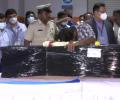
Naveen Shekarappa Gyanagaudar, a Final Year Medical student at Kharkiv National Medical University, died on March 1, in the conflict zone.

President of the European Council Charles Michel on Tuesday spoke to Prime Minister Narendra Modi and conveyed his condolences over the death of Naveen Shekarappa Gyanagoudar, a native of Karnataka.

Karnataka Chief Minister Basavaraj Bommai on Wednesday said the government is trying to find out details about the student from Haveri district who was reportedly injured due to the shelling by Russian forces in Ukraine's Kharkiv city.

'We request the Indian government that they send some buses urgently so that we can travel in groups and reach safety.'

'With over 50 per cent of medical seats reserved for those who have the ability to pay a fee ranging from Rs 50 lakh to Rs 1.5 crore for a five-year MBBS course and quotas in accordance with affirmative policies in government colleges, the band of seats available for the not-so-rich and non-OBCs is very narrow.'
